
 11
11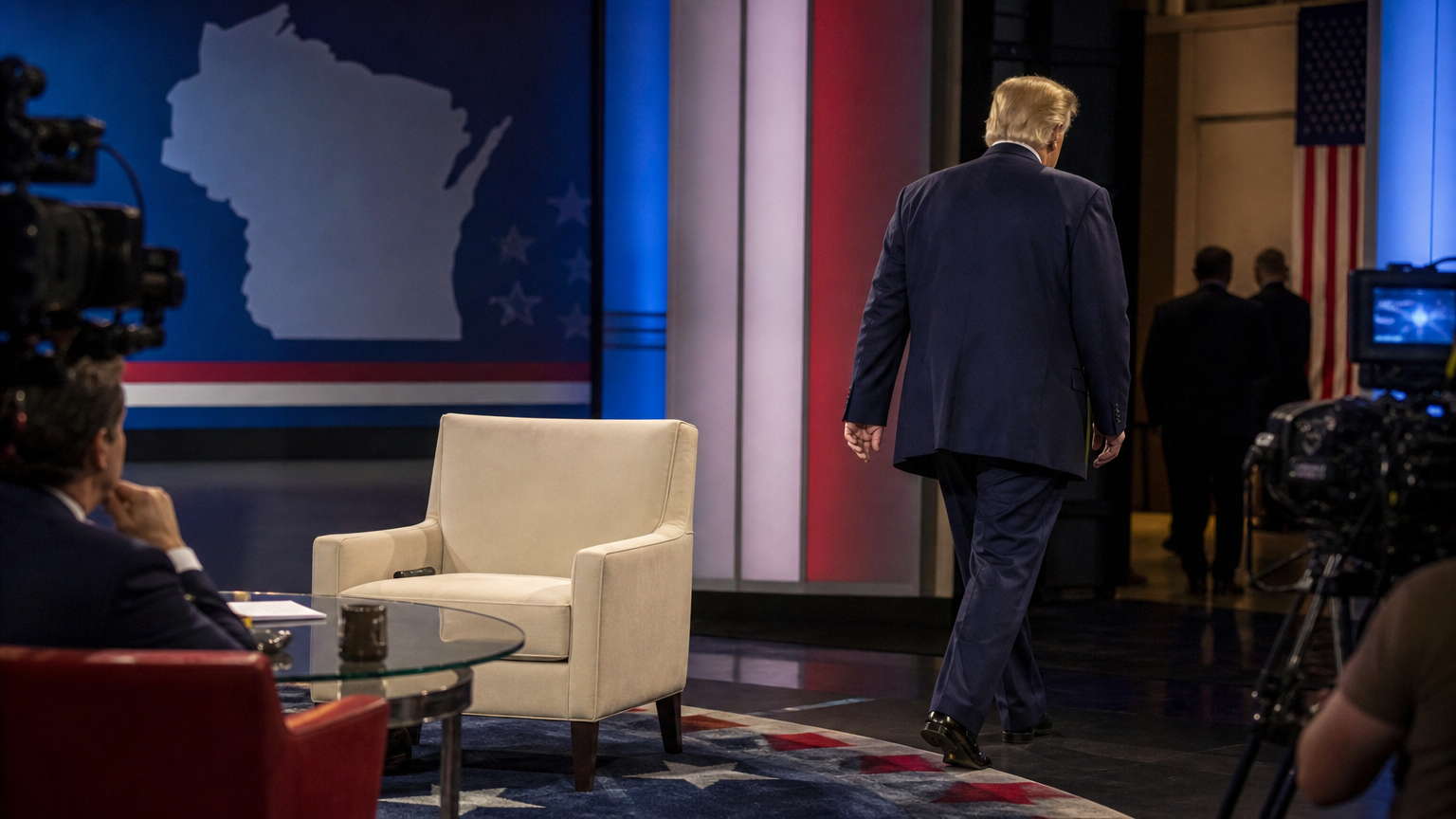
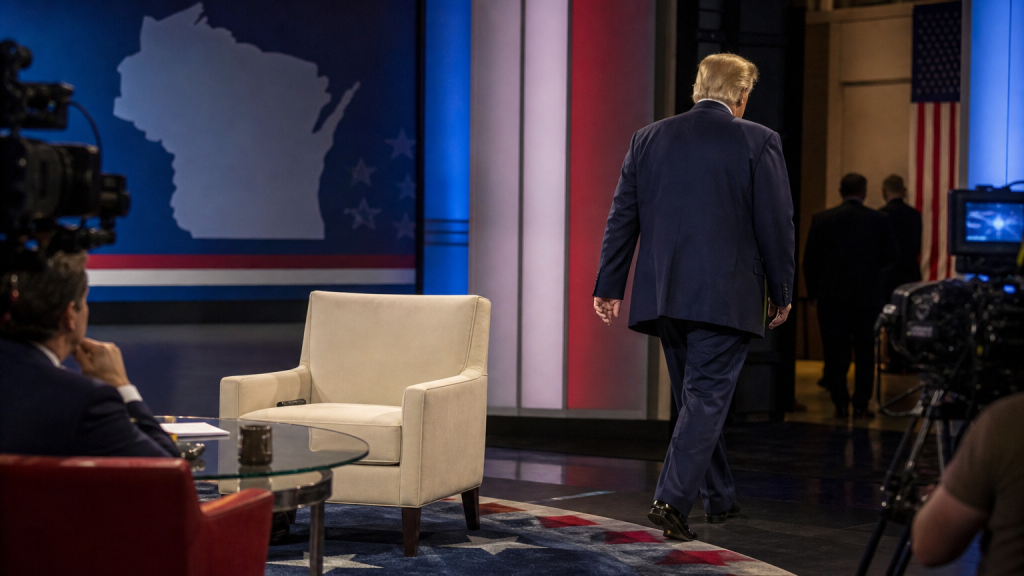
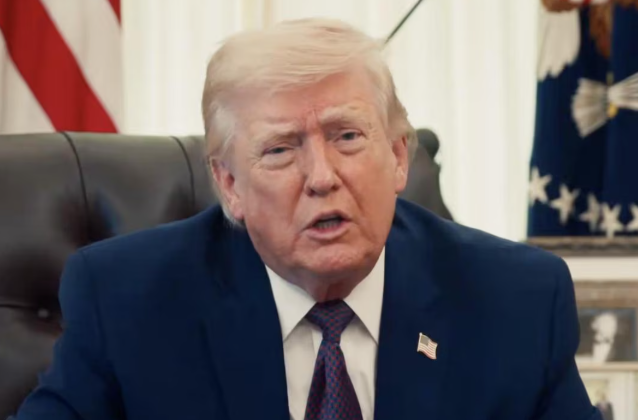
President Donald Trump brought a live television interview to a dramatic halt on Sunday, cutting short a sit-down with NBC’s Meet the Press anchor Kristen Welker in Wisconsin after a prolonged and increasingly heated exchange over election fraud allegations, a proposed federal compensation fund, and his sweeping accusations against the American press.
The interview, conducted partly outdoors amid intermittent rain, unravelled in its final segment when Welker pressed the President on a series of unresolved policy and legal questions. Trump, visibly irritated, ultimately told the anchor he had heard enough — and walked.
The flashpoint arrived when Welker questioned Trump about a proposed 1.8 billion dollars fund his administration had floated as a mechanism to compensate individuals who claimed they had been improperly targeted during the Biden administration’s alleged misuse of federal law enforcement powers.
Acting Attorney General Todd Blanche had recently signaled the administration would not proceed with the proposal, prompting Welker to ask directly whether the President was abandoning the initiative or pursuing alternative routes to revive it.
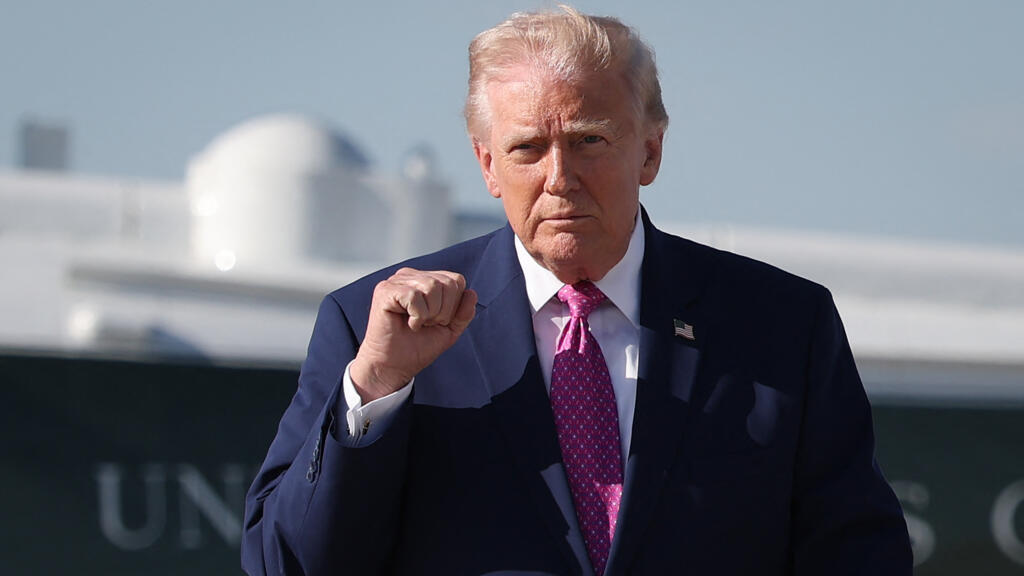
Trump defended the concept in principle while acknowledging the institutional constraints around it, stating that he personally believed the fund was a sound idea and that many within the Republican Party shared that view. He added, however, that moving it forward would require formal legislative or executive approval.
The President’s tone sharpened as the exchange continued. He accused individuals who had served in the previous administration of inflicting lasting damage on ordinary Americans’ lives, broadening his criticism to include what he described as a “crooked” and “dirty” press corps facilitating what he characterized as a coordinated campaign against his political allies and supporters.
Welker challenged Trump directly on his long-standing contention that the 2020 presidential election was fraudulent, noting that no credible body of evidence had substantiated those claims in any court of law.
Trump dismissed the pushback, asserting that substantial evidence existed and pointing to the ongoing ballot certification timeline in California as what he described as fresh proof that electoral irregularities remained a present concern, not merely a historical grievance.
California’s post-election certification process routinely extends beyond thirty days under state law — a standard procedural timeline that election officials have consistently described as a function of the state’s mail-in voting infrastructure and population scale, not evidence of misconduct.
As the interview reached its conclusion, Trump turned his remarks toward the broader media landscape, naming NBC, ABC, CBS, and CNN in a single statement and characterising each as dishonest institutions undermining the country’s credibility.
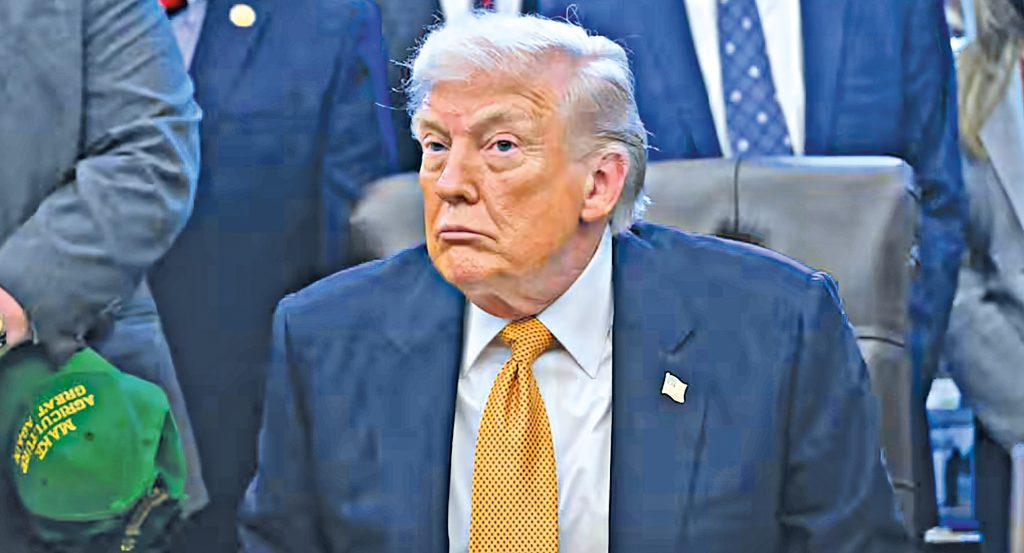
Welker made a brief effort to continue the conversation, reminding the President that the network had travelled to Wisconsin specifically for the interview. Trump acknowledged he had given the interview roughly an hour of his time before declaring the session finished.
“A country can never be great with a dishonest press,” Trump said in his closing remarks before departing.
The walk-off marks one of the more visibly confrontational moments in Trump’s second-term media engagements, reinforcing the adversarial dynamic between the administration and the major broadcast networks that has defined much of his political communication strategy since 2015.
For European audiences watching the episode from abroad, the exchange encapsulates a broader tension at the heart of American political journalism: the question of how anchors navigate a sitting president who treats the interview format itself as a terrain of political combat rather than a forum for accountability.
The White House has not issued a formal statement on the exchange. NBC has not commented publicly beyond the broadcast.