

 11
11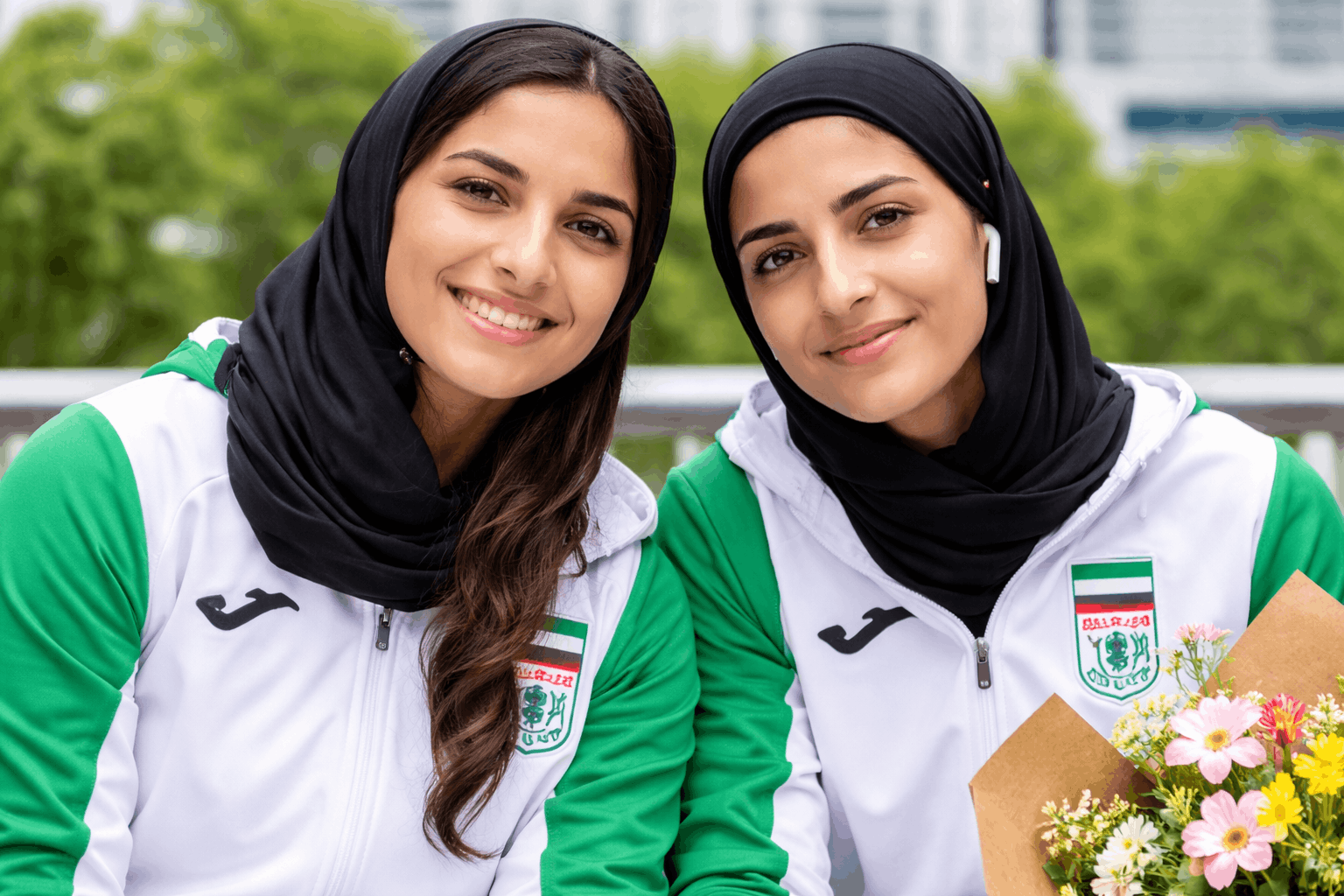
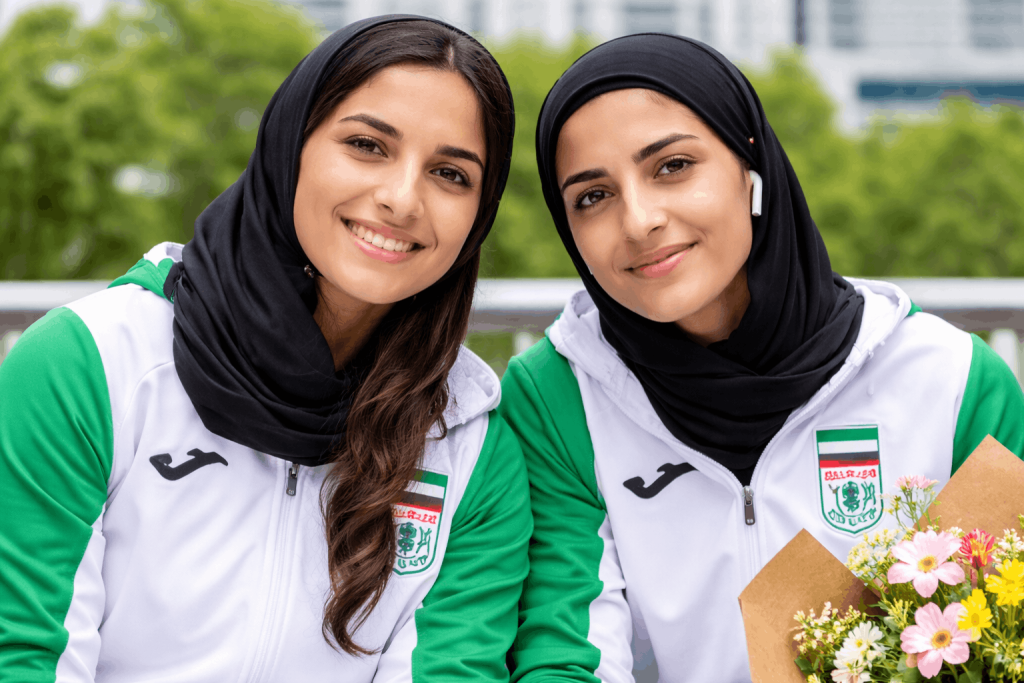
Fatemeh Pasandideh and Atefeh Ramezanisadeh have broken their silence, expressing gratitude for humanitarian visas and pledging to rebuild their lives and sporting careers on Australian soil.
Two Iranian women’s football players who sought refuge in Australia following the Asian Cup have publicly thanked the Australian government for granting them protection, saying in their first official statement that they intend to rebuild their lives in safety and continue their athletic careers.
Fatemeh Pasandideh and Atefeh Ramezanisadeh issued the statement on Friday, describing Australia as a “beautiful country” and expressing particular gratitude toward Home Affairs Minister Tony Burke, whose department approved their humanitarian visa applications.
“We wish to express our deepest gratitude to the Australian government for granting us humanitarian protection and a safe haven in this beautiful country.”
The pair were among seven members of the Iranian squad — six players and one support staff member — who were initially offered humanitarian visas after air strikes launched by the United States and Israel on Iran coincided with the team’s Asian Cup campaign being held in Australia. Five of the original group ultimately decided to return home to Iran, leaving Pasandideh and Ramezanisadeh as the only two who chose to stay.
Training Resumes at Brisbane Roar
Since receiving their visas, the two players have wasted little time reconnecting with the sport they love. Last month they began training sessions with Brisbane Roar, the A-League Women’s club, marking a quiet but significant first step toward the competitive careers they hope to resume.
“We are elite athletes, and it remains our dream to continue our sporting careers here in Australia,” the players said, while acknowledging that their immediate priority lies elsewhere. “At this stage, our primary focus is on our safety, our health and beginning the process of rebuilding our lives.”
A Journey Marked by Risk
The circumstances surrounding their decision to stay in Australia were anything but straightforward. During the Asian Cup tournament, several Iranian players chose not to sing the national anthem before a match — a gesture that did not go unnoticed back home. Iranian state television responded by labelling the players “wartime traitors,” a characterisation that raised serious concerns about their safety if they were to return.
The remainder of the Iranian squad faced a difficult journey home, eventually re-entering Iran through the Turkish border last month after a prolonged and complicated return from Australia.
For Pasandideh and Ramezanisadeh, the decision to remain carries both personal weight and broader significance. Their case has drawn international attention to the pressures faced by Iranian athletes — particularly women — who may find themselves in conflict with state expectations when competing abroad.
A New Chapter
Australian officials have not commented further on any long-term residency arrangements, but the granting of humanitarian visas signals a clear commitment to the players’ protection for the foreseeable future. Advocates for refugee rights welcomed the outcome, though they noted that the road ahead for both women will require sustained support well beyond a visa stamp.
For now, the two players say they are focused on the immediate — their health, their safety, and the quiet work of beginning again in a country they barely knew before the chaos of this year thrust them into an unfamiliar crossroads.